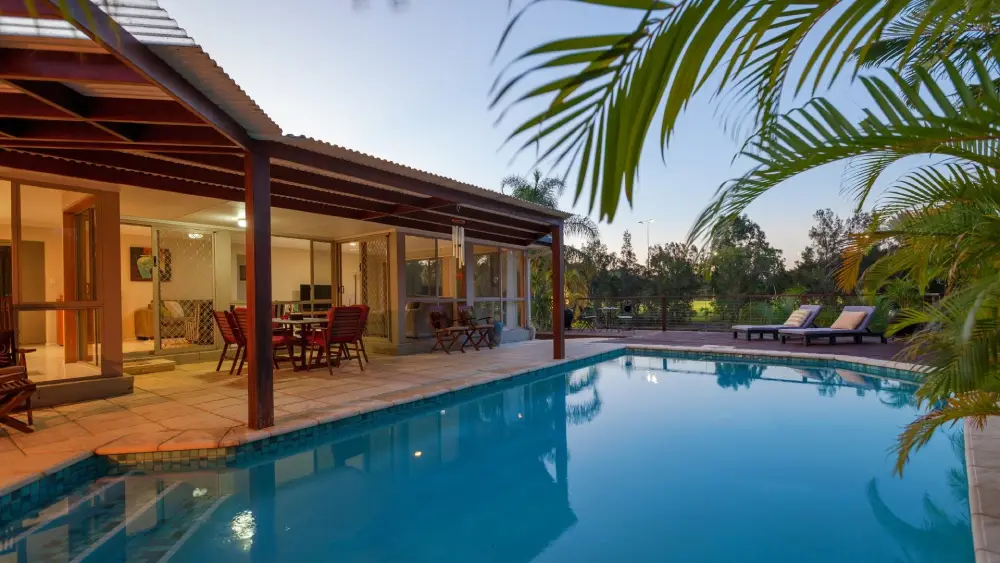
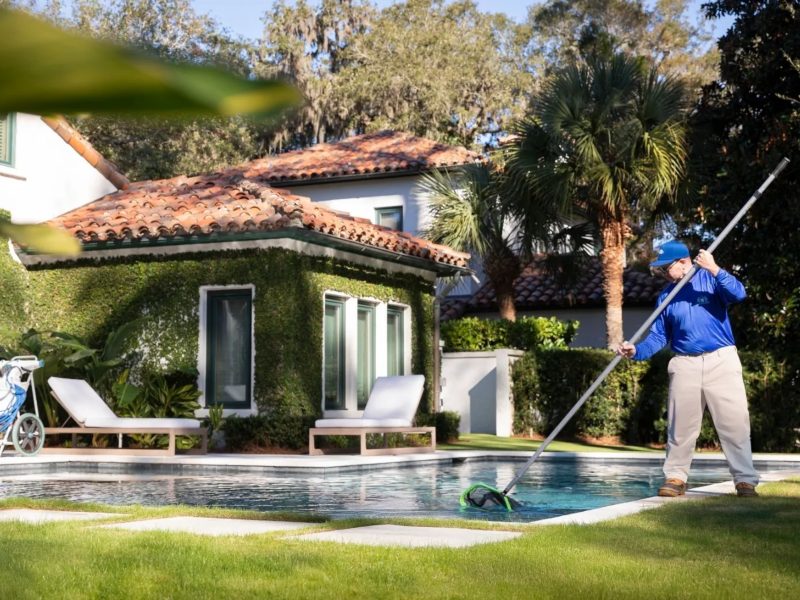
Owning a pool in Georgia is supposed to feel like a reward—sunny afternoons, family gatherings, and a refreshing escape right in your backyard. But without proper care, that same pool can quickly turn into a source of frustration. Cloudy water, algae growth, and equipment failures are some of the most common issues homeowners face.
At Clearview, we believe pool ownership should feel simple, not stressful. The key is understanding what goes wrong—and how to stop problems before they start.
The Story Behind Most Pool Problems
Every pool problem tells a story. Usually, it starts small: a skipped cleaning, a filter that runs a little too short, or a chemical imbalance after a rainy Georgia afternoon. Over time, those small issues build into visible problems.
Most pool issues fall into three categories:
- Water chemistry imbalance
- Poor filtration or circulation
- Environmental contamination
According to pool maintenance experts, cloudy or green water alone is most often caused by low chlorine, dirty filters, or poor water circulation.
When one part of the system breaks down, the entire pool feels it.
Problem #1: Cloudy Water
Cloudy water is one of the most common complaints among pool owners. It’s also one of the earliest warning signs that something is wrong.
In Georgia, heat, rain, and pollen make this even more common. Cloudiness usually comes from:
- Imbalanced pH or chlorine levels
- Dirty or clogged filters
- Heavy debris after storms or pool use
When filtration or chemistry is off, tiny particles stay suspended in the water, creating that dull, milky appearance.
How to prevent it:
- Run your pump consistently (especially after storms or heavy use)
- Clean or backwash your filter regularly
- Test water chemistry weekly, not just when something looks off
- Keep chlorine and pH in balance
Cloudy water is easier to fix when caught early—but left alone, it can quickly lead to algae growth.
Problem #2: Algae Growth (Green or Slippery Pools)
Algae is one of the most recognizable pool problems and one of the fastest to spread.
It thrives when chlorine levels drop or circulation slows down. Warm Georgia temperatures only accelerate the process. Once algae takes hold, it can turn your pool green, yellow, or even black.
Common causes include:
- Low sanitizer levels (chlorine depletion)
- Poor circulation or dead zones in the pool
- Warm weather combined with organic debris
How to prevent it:
- Maintain steady chlorine levels (don’t let them drop)
- Brush walls and steps weekly
- Run the pump long enough to circulate all water
- Shock the pool after heavy rain or high usage
Algae doesn’t just affect appearance—it can make surfaces slippery and unsafe.
Problem #3: Chemical Imbalance
A balanced pool isn’t just about chlorine. pH, alkalinity, and calcium levels all work together. When one shifts, everything else follows.
In Georgia, hard water and frequent rain can throw off this balance quickly. High pH can make chlorine less effective, while low pH can cause irritation and corrosion.
How to prevent it:
- Test water chemistry at least once a week
- Adjust slowly—avoid overcorrecting chemicals
- Keep pH in the ideal range (7.2–7.6)
- Monitor alkalinity to stabilize pH changes
Balanced water not only looks better—it protects your pool surfaces and equipment.
Problem #4: Filter and Pump Issues
Your pool filter is the “heart” of the system. When it’s not working properly, everything else suffers.
Common issues include:
- Clogged or dirty filters
- Pump running too little each day
- Worn-out or undersized equipment
When filtration slows down, debris and bacteria stay in the water longer, leading to cloudiness and algae buildup.
How to prevent it:
- Clean filters on a schedule, not just when there’s a problem
- Run your pump long enough each day for full circulation
- Inspect equipment for wear and tear seasonally
- Don’t ignore unusual pump noises or pressure changes
Good circulation is one of the most overlooked parts of pool health.
Problem #5: Debris and Environmental Contamination
Georgia pools deal with a lot—pollen in spring, leaves in fall, and sudden rainstorms in summer. All of it introduces contaminants that affect water quality.
Even sunscreen, body oils, and dirt from swimmers contribute to buildup over time.
How to prevent it:
- Skim the pool surface regularly
- Use a pool cover during storms or extended downtime
- Encourage swimmers to rinse off before entering
- Clean baskets and skimmers weekly
The cleaner the pool environment, the less stress on your chemical system.
The Clearview Approach: Prevention Over Reaction
At Clearview, we believe the best pool repair is the one you never need. Most major pool problems don’t appear overnight—they develop slowly from missed maintenance steps.
That’s why prevention matters more than quick fixes.
A simple routine can prevent 90% of common issues:
- Weekly water testing
- Regular brushing and skimming
- Proper pump runtime
- Routine filter cleaning
- Seasonal professional inspections
When these habits are consistent, your pool stays clearer, safer, and easier to maintain year-round.
Final Thoughts
Pool ownership in Georgia doesn’t have to mean constant troubleshooting. Cloudy water, algae, and equipment issues are all preventable when you understand how your pool system works.
Clearview helps homeowners stay ahead of problems instead of reacting to them after the damage is done. With the right care plan, your pool can stay what it was meant to be—a place for relaxation, not repair.